
Advice and inspiration
Where to throw away cellophane? – Guide
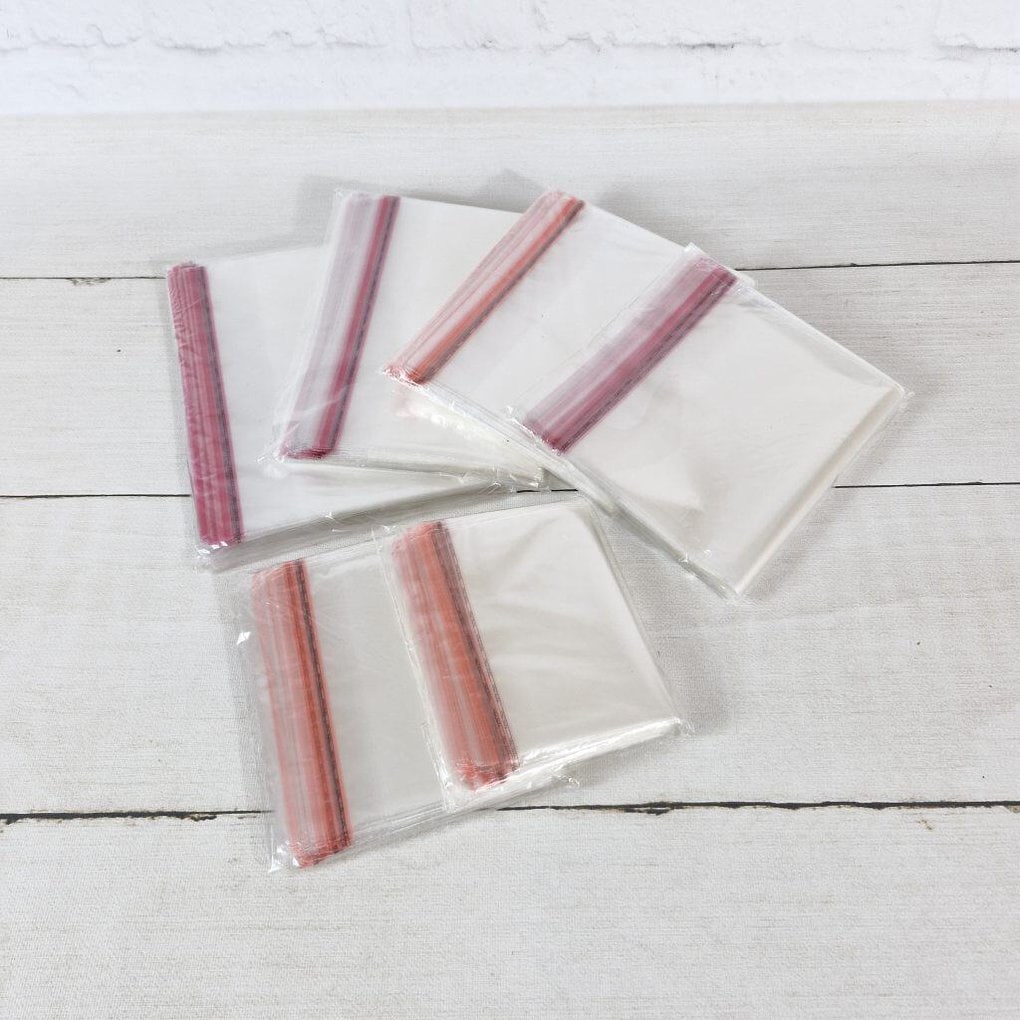
- What are cellophane bags?
- Cellophane – what is this material?
- Where to throw away cellophane bags?
- Can cellophane be reused?
- Summary
Cellophane, despite its natural origins, can be confusing when it comes to disposal. Many people wonder which waste container this material should go to. In the article we explain what exactly cellophane is, how to segregate it and whether it can be reused.
What are cellophane bags?
Cellophane bags are thin, transparent wrappers that have been used for years in the food and cosmetic industries. The use of cellophane results from its protective properties – this material perfectly isolates products from moisture while allowing them to 'breathe'. As a result, food packaged in cellophane, such as sweets, cakes, or teas, stays fresh longer. Moreover, cellophane is used in the cosmetics industry and for gift wrapping due to its aesthetic appeal and elegant appearance.
Cellophane – what is this material?
Cellophane is a material made from viscose cellulose, which is subjected to a complex chemical process. Even though it is biodegradable, it contains harmful elements that can have a negative impact on the environment, especially the soil. Therefore, it cannot be treated as typical biodegradable materials and thrown into compost. As a plastic, cellophane is durable and resistant, making it a practical material for many applications.
Where to throw away cellophane bags?
Although cellophane is a biodegradable material, it should not be disposed of in a bio-waste container. Due to its composition and toxic substances that may be released from it (e.g. carbon disulfide), it is best to throw it into the yellow plastic and metal container. Cellophane bags, despite its organic origin, is considered plastic, so separating it as plastic is the right solution.
Can cellophane be reused?
However, before you decide to throw away the cellophane, it is worth thinking about reusing it. Cellophane bags are perfect for various home uses. You can use it to wrap gifts, create decorative packaging for gift baskets or even to freeze food – cellophane is safe in contact with food and does not emit harmful substances when frozen. In this way, you can reduce the amount of waste produced and contribute to environmental protection.

Summary
Cellophane is a practical but distinctive material that cannot be discarded like ordinary biodegradable waste. The best solution is to put it in the yellow plastics bin, as it is considered plastic. Before doing so, however, consider reusing cellophane in everyday situations, from wrapping gifts to freezing food. Reuse can support sustainability and help protect our planet from excess non-biodegradable waste.