Advice and inspiration
Mass-dyed paper – how is it made and why is it worth choosing?
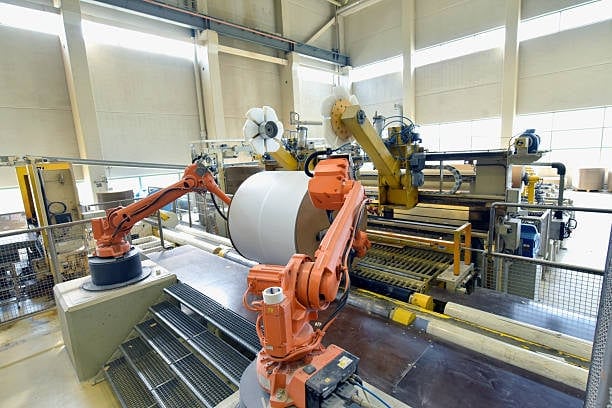
Table of Contents
Mass-colored paper is a material that not only serves practical functions but also emphasizes the character of a brand and adds elegance to any project. In this article, we will take a closer look at how it is made, its characteristics, and why it is worth choosing for packaging, promotional materials, and premium projects.

What is solution dyed paper?
Mass-colored paper is a material whose color is obtained by adding pigments directly to the pulp. Unlike coated papers, its color is not only on the surface but penetrates through the entire thickness of the sheet.
Thanks to this process the color of the paper remains visible even after cutting, folding, or embossing. This makes it an ideal choice wherever aesthetics and durability matter.
Process for producing batch-dyed paper
1. Preparation of the pulp
Production begins with the shredding of cellulose fibers (from wood or waste paper), which are then mixed with water, creating a uniform pulp.
2. Adding pigments
At this stage, coloring pigments are added to the mass. They must be resistant to light and chemically bind with cellulose to ensure a durable and deep color.
3. Homogenization
The whole mixture is thoroughly mixed so that the pigment is evenly distributed throughout. This prevents the risk of discoloration or tonal differences.
4. Sheet forming
The colored mass goes to the paper machines, where a sheet is formed through dewatering and pressing.
5. Drying and finishing
Sheets are dried, pressed, and – if necessary – subjected to additional processing: smoothing, perforating, or embossing.
Advantages of batch-dyed paper
- Color durability: the color penetrates the entire material – it does not rub off or fade
- Aesthetic finish: ideal for cutting, creasing, embossing
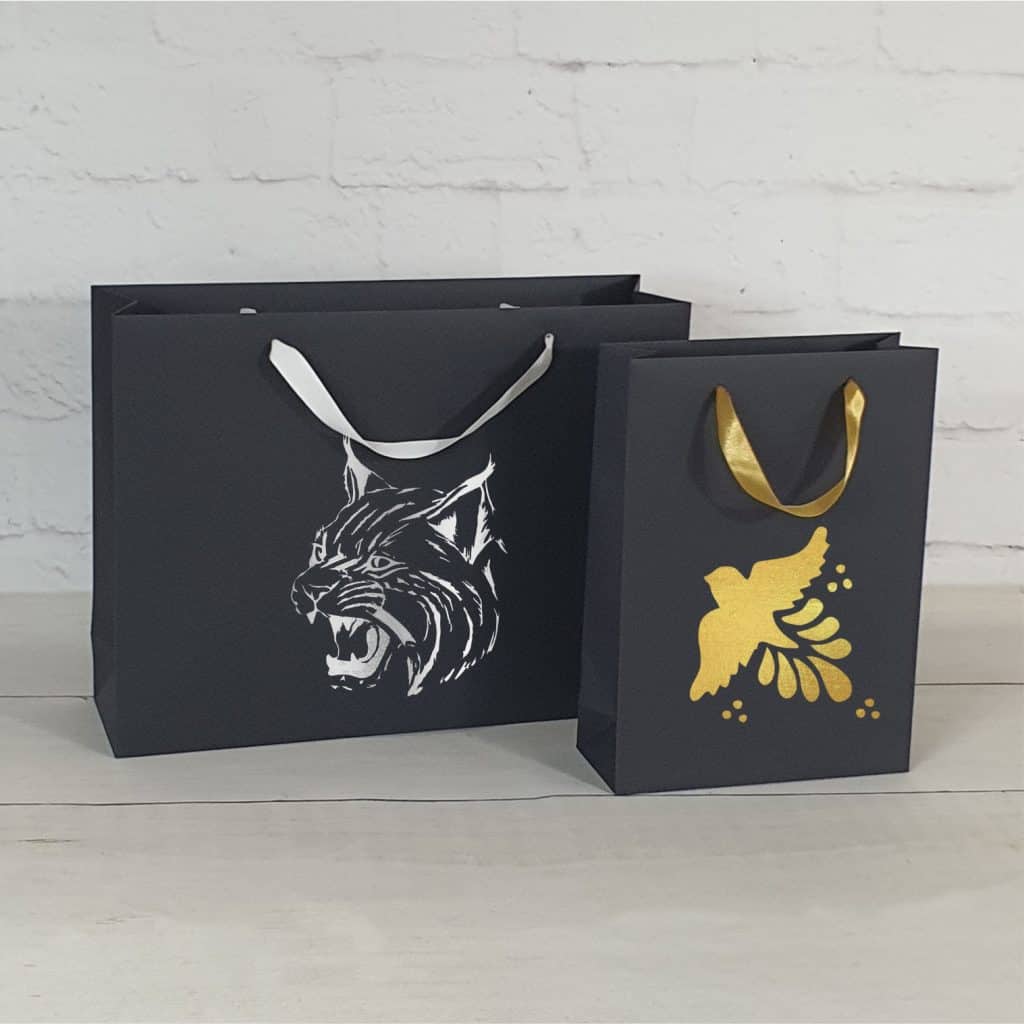
- Exclusive appearance: especially in dark shades (black, navy blue, burgundy)
- Eco-friendliness: many types of colored papers are recyclable
- Equal Structure: ideal for hot-stamping and gilding
Use of batch-dyed paper
Through-dyed paper is a popular choice in industries that value quality, durability and aesthetics. The most common applications are:
- Paper bags with custom printing
- Decorative and gift boxes
- Wedding and corporate invitations
- Exclusive business cards and certificates
- Covers of catalogs and advertising materials
Why choose this paper?
Mass-colored paper is a solution that combines durability with a unique appearance. Its uniform color, reprocessability and eco-friendly nature make it an excellent choice for demanding packaging and printing projects.
If you care about packaging that makes an impression at first glance – this paper is just for you.
See batch-dyed paper packaging »
Price and personalize your dyed paper bags »